Passover
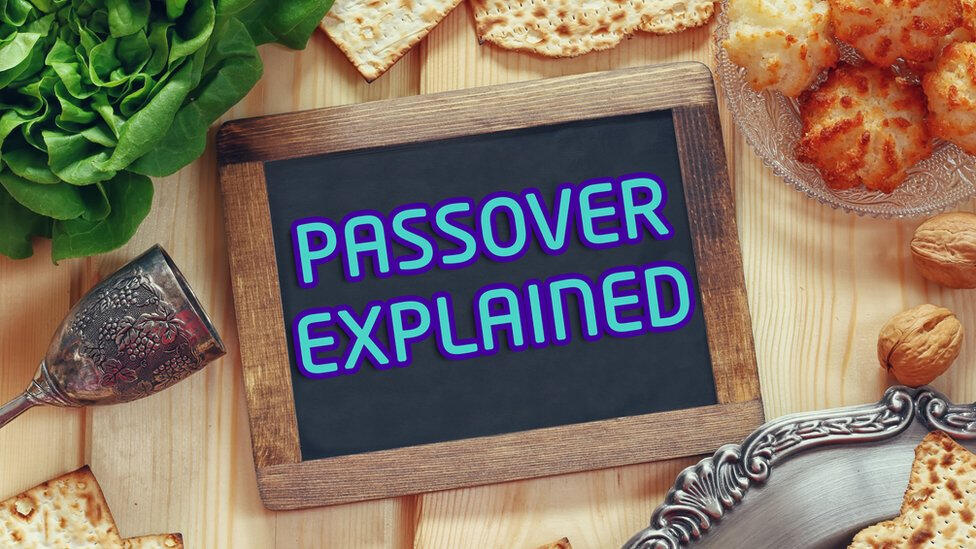
Commemorates the Israelites' freedom from slavery in Egypt. The blood of the sacrificed lamb saved their firstborn sons from the final plague, an event that many Christians believe foreshadowed the sacrifice of Jesus.
Passover
Commemorates the Israelites' freedom from slavery in Egypt. The blood of the sacrificed lamb saved their firstborn sons from the final plague, an event that many Christians believe foreshadowed the sacrifice of Jesus.
Feast of Unleavened Bread
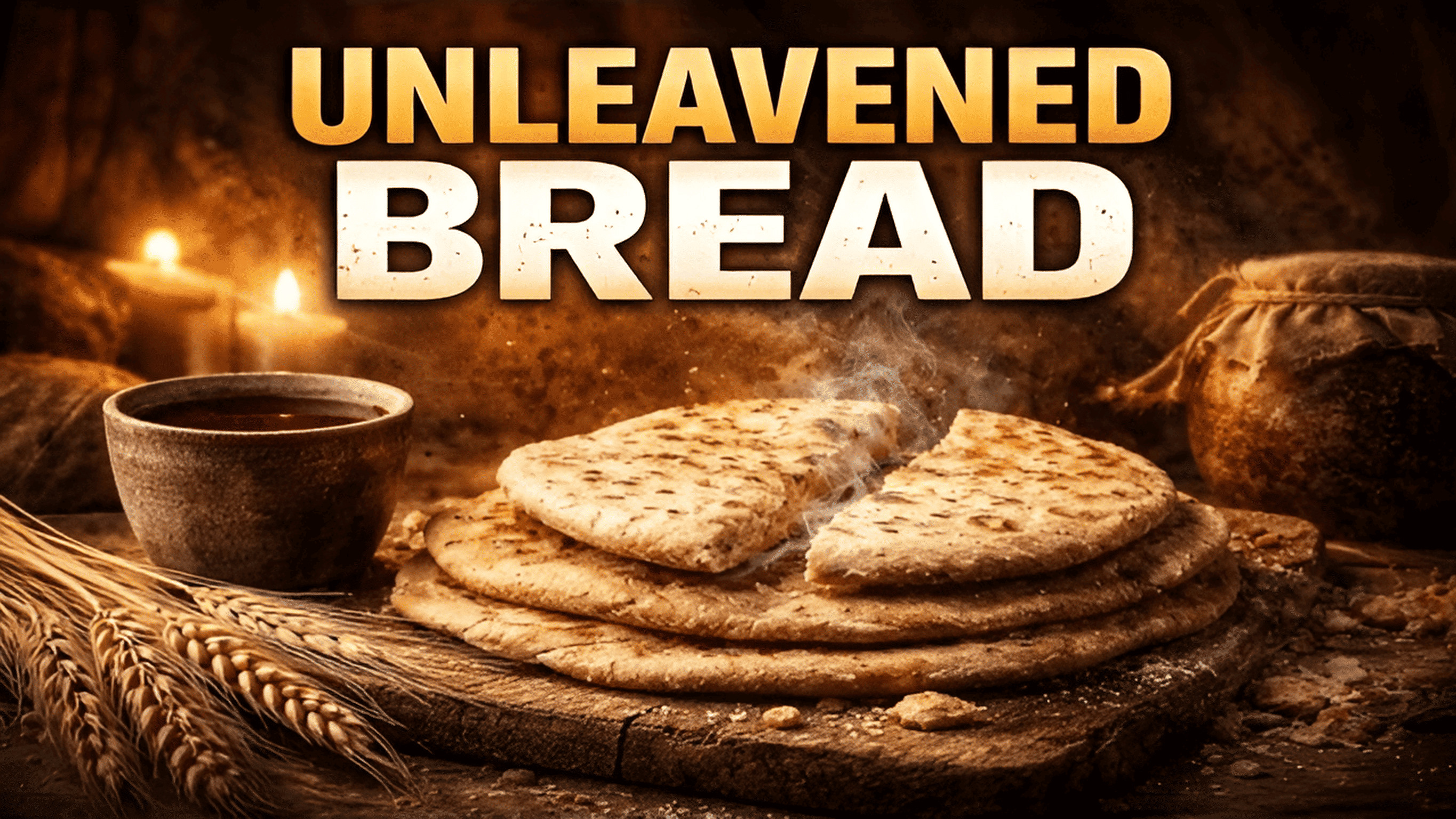
Lasting seven days, this festival immediately follows Passover. The eating of unleavened bread (matzah) recalls the Israelites' hasty exodus from Egypt, when they did not have time for their bread to rise.
Feast of Unleavened Bread
Lasting seven days, this festival immediately follows Passover. The eating of unleavened bread (matzah) recalls the Israelites' hasty exodus from Egypt, when they did not have time for their bread to rise.
Feast of First Fruits
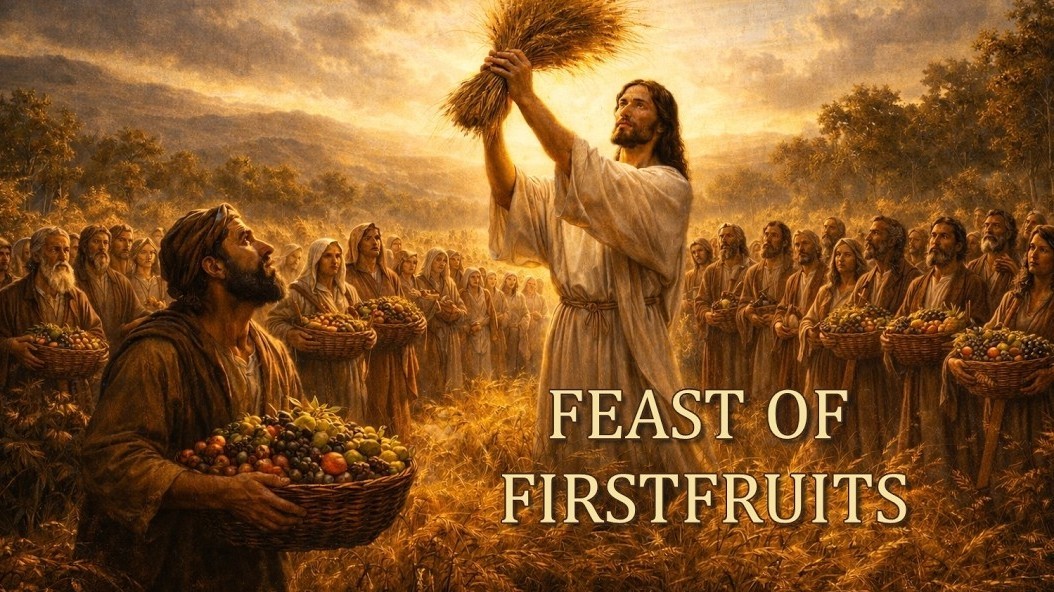
An offering to God from the first of the spring harvest. Many Christians connect this to Jesus' resurrection as the "first fruits from the dead".
Feast of First Fruits
An offering to God from the first of the spring harvest. Many Christians connect this to Jesus' resurrection as the "first fruits from the dead".
Pentecost
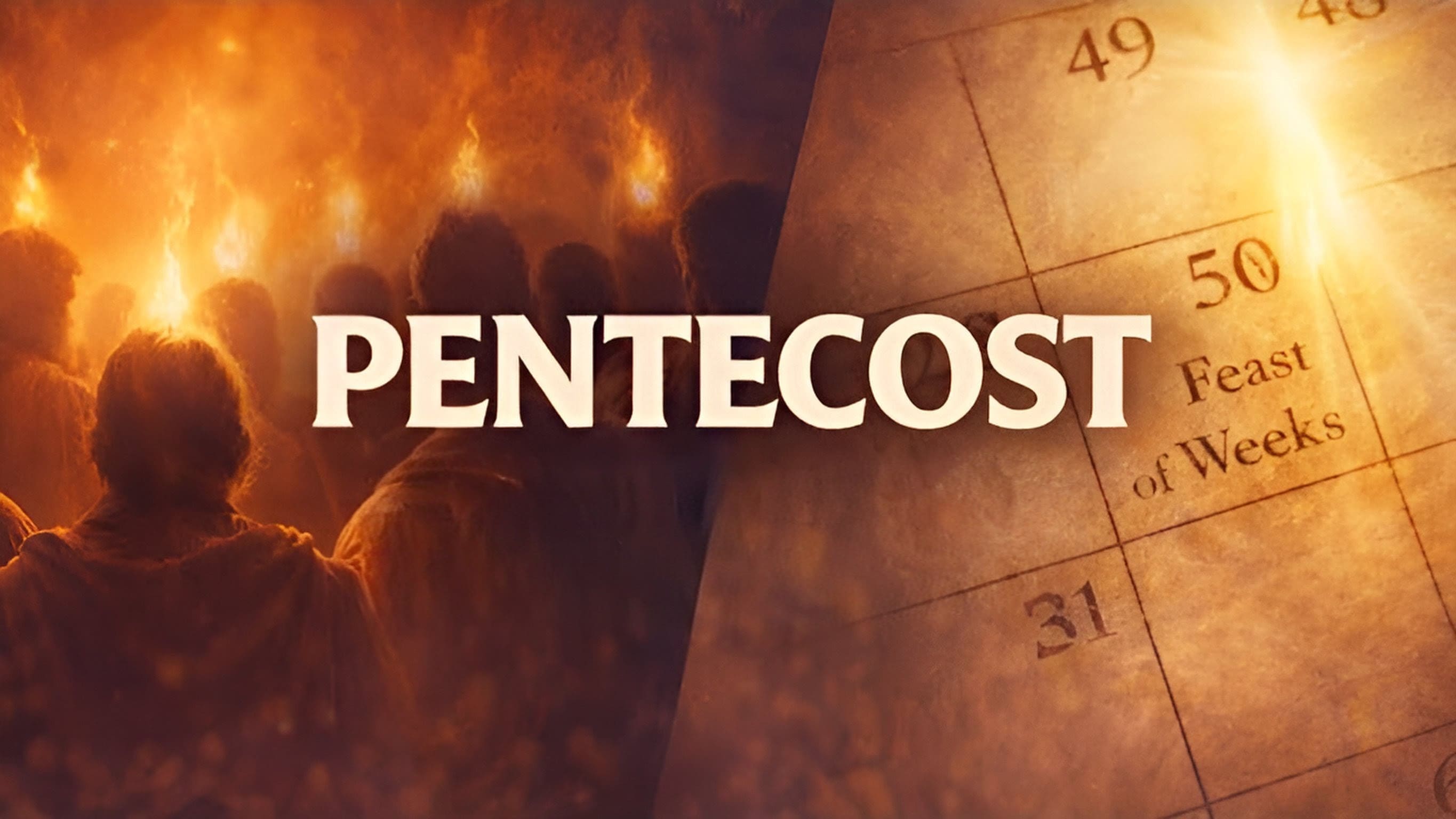
Celebrated fifty days after the Feast of First Fruits, this festival commemorates the giving of the Torah on Mount Sinai and is a harvest festival. In the New Testament, it is known as Pentecost and marks the descent of the Holy Spirit on Jesus' disciples.
Pentecost
Celebrated fifty days after the Feast of First Fruits, this festival commemorates the giving of the Torah on Mount Sinai and is a harvest festival. In the New Testament, it is known as Pentecost and marks the descent of the Holy Spirit on Jesus' disciples.
Feast of Trumpets
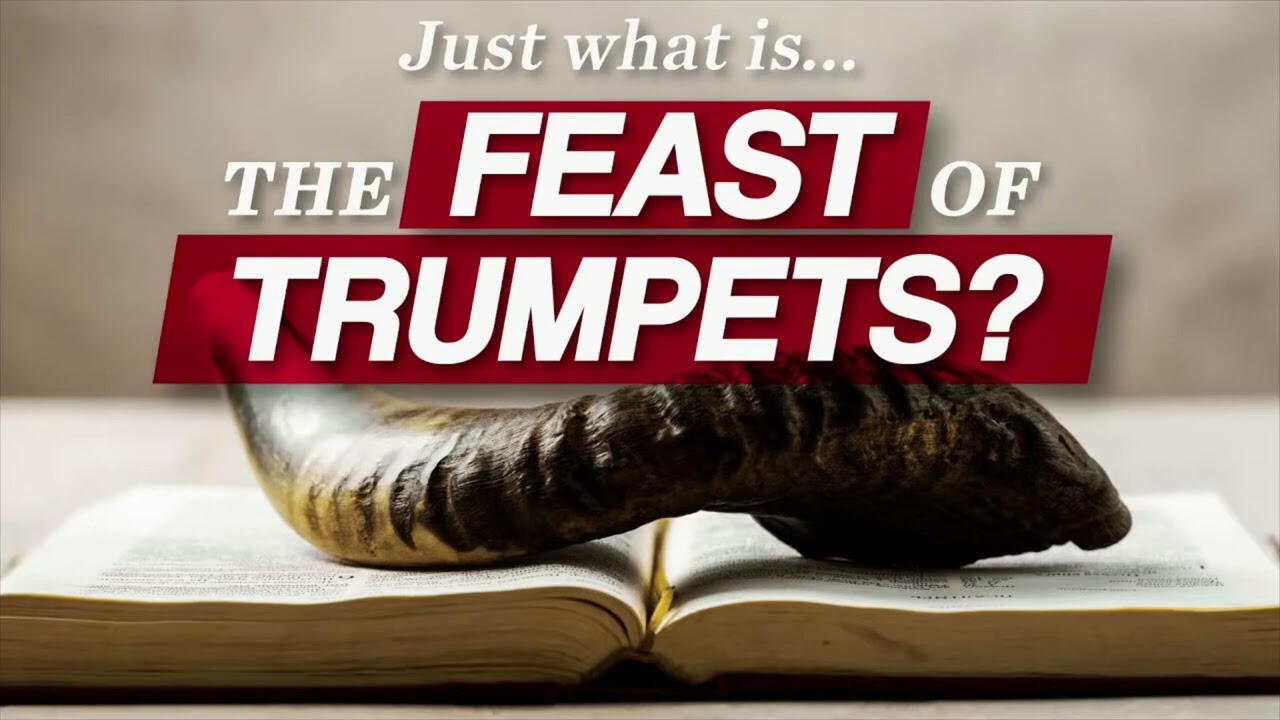
The Jewish New Year, a day of memorial marked by the blowing of a shofar (ram's horn).
Feast of Trumpets
The Jewish New Year, a day of memorial marked by the blowing of a shofar (ram's horn).
Day of Atonement
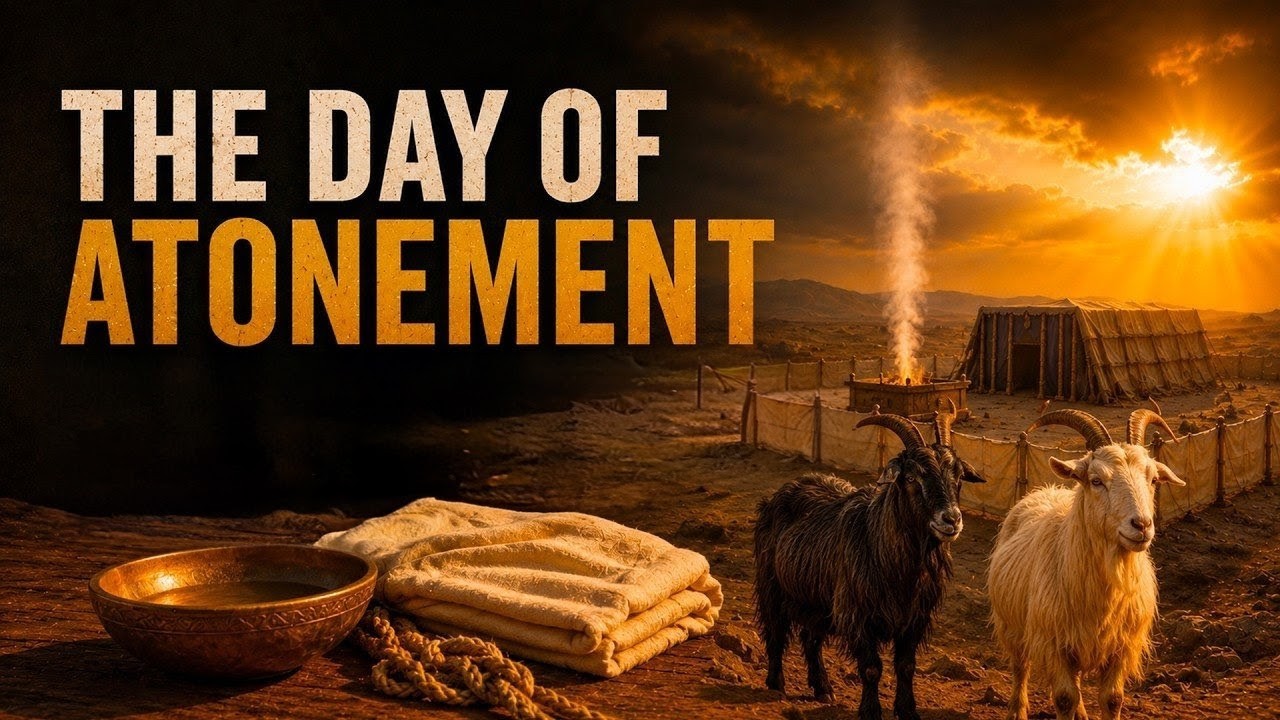
The holiest day of the year, a day of fasting and repentance to atone for the sins of the nation.
Day of Atonement
The holiest day of the year, a day of fasting and repentance to atone for the sins of the nation.
Feast of Tabernacles
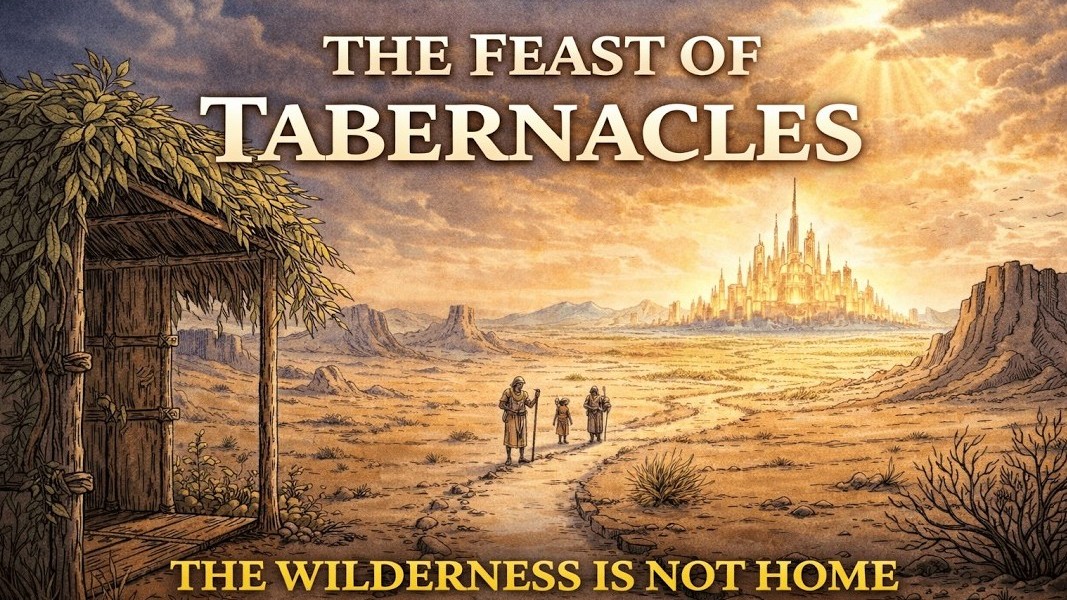
A seven-day festival commemorating the forty years the Israelites spent in the wilderness, living in temporary shelters (sukkah).
Feast of Tabernacles
A seven-day festival commemorating the forty years the Israelites spent in the wilderness, living in temporary shelters (sukkah).