
New Year's Day
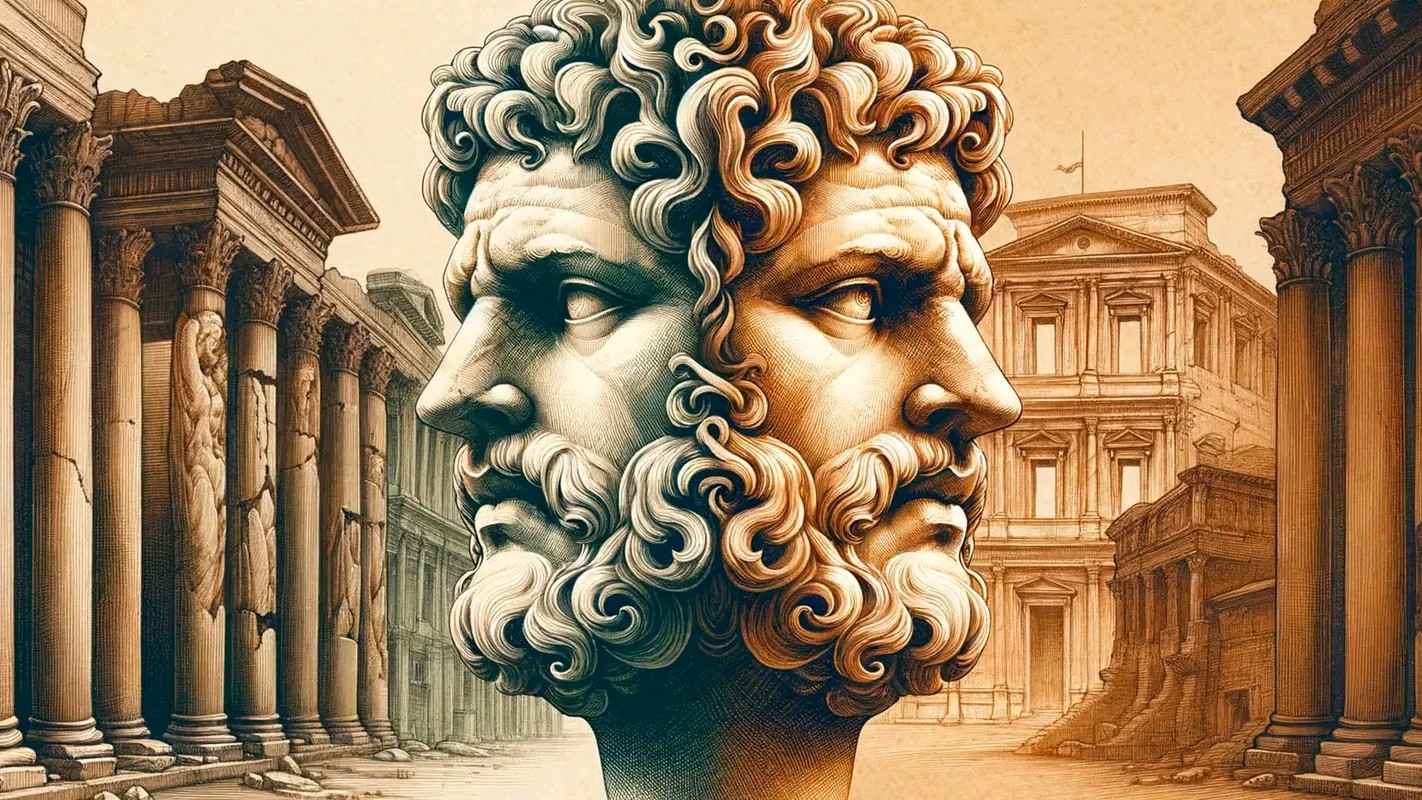
Janus is the ancient Roman god of beginnings, endings, and transitions, after whom the month of January is named. He is typically depicted with two faces, one looking back at the past year and the other forward to the future. This duality makes him a central figure in the Roman origins of the modern New Year's celebration.
New Year's Day
Janus is the ancient Roman god of beginnings, endings, and transitions, after whom the month of January is named. He is typically depicted with two faces, one looking back at the past year and the other forward to the future. This duality makes him a central figure in the Roman origins of the modern New Year's celebration.
Groundhog Day
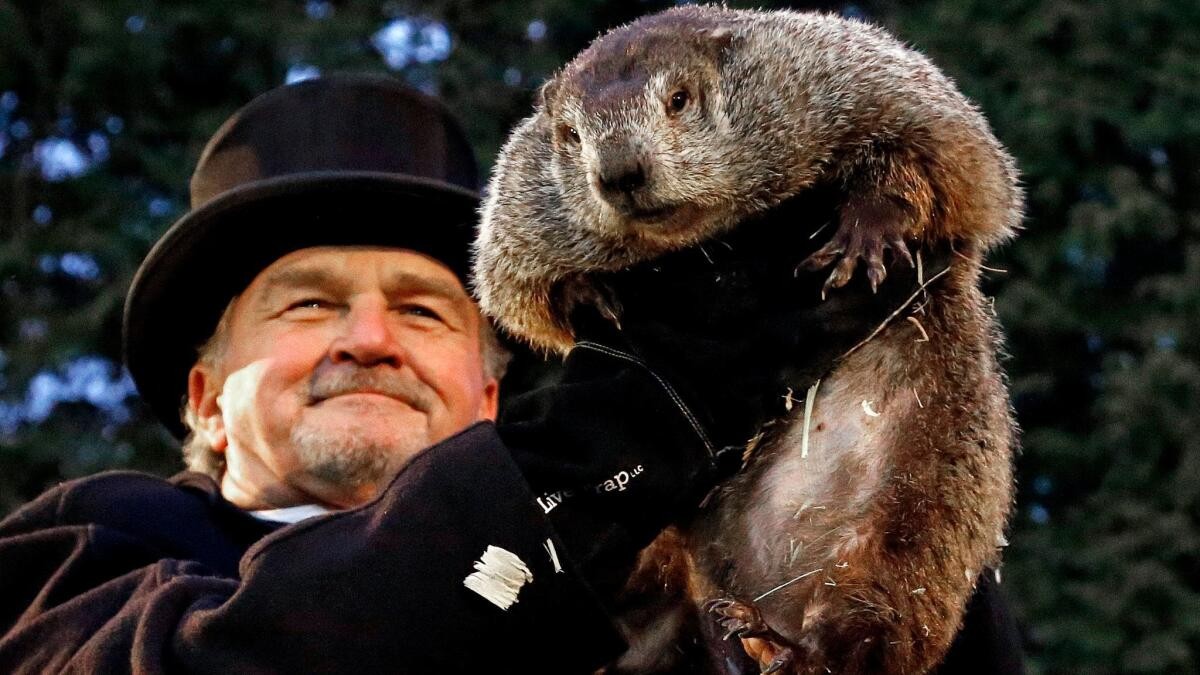
Groundhog Day is the modern American celebration that evolved from the ancient Celtic pagan festival of Imbolc. Both traditions occur around February 2nd, marking the midpoint between the winter solstice and spring equinox, and both use weather divination to predict the coming of spring. Imbolc traditions originally used the weather to predict the duration of winter, and these same weather-prediction customs were adapted by European immigrants in America, who substituted the groundhog for native animals like badgers or marmots.
Groundhog Day
Groundhog Day is the modern American celebration that evolved from the ancient Celtic pagan festival of Imbolc. Both traditions occur around February 2nd, marking the midpoint between the winter solstice and spring equinox, and both use weather divination to predict the coming of spring. Imbolc traditions originally used the weather to predict the duration of winter, and these same weather-prediction customs were adapted by European immigrants in America, who substituted the groundhog for native animals like badgers or marmots.

Valentine's Day
Lupercalia was an ancient Roman festival held on February 15th, and some historians believe modern Valentine's Day may have some origins in it due to their similar dates and a shared theme of fertility and pairing people up. However, the connection is not a direct lineage, as Lupercalia was a bloody and sexually charged ritual involving animal sacrifice, while modern Valentine's Day is a romantic holiday. The Roman festival was eventually abolished, and the connection to modern Valentine's Day is considered tenuous by many scholars.
Valentine's Day
Lupercalia was an ancient Roman festival held on February 15th, and some historians believe modern Valentine's Day may have some origins in it due to their similar dates and a shared theme of fertility and pairing people up. However, the connection is not a direct lineage, as Lupercalia was a bloody and sexually charged ritual involving animal sacrifice, while modern Valentine's Day is a romantic holiday. The Roman festival was eventually abolished, and the connection to modern Valentine's Day is considered tenuous by many scholars.
St. Patrick's Day
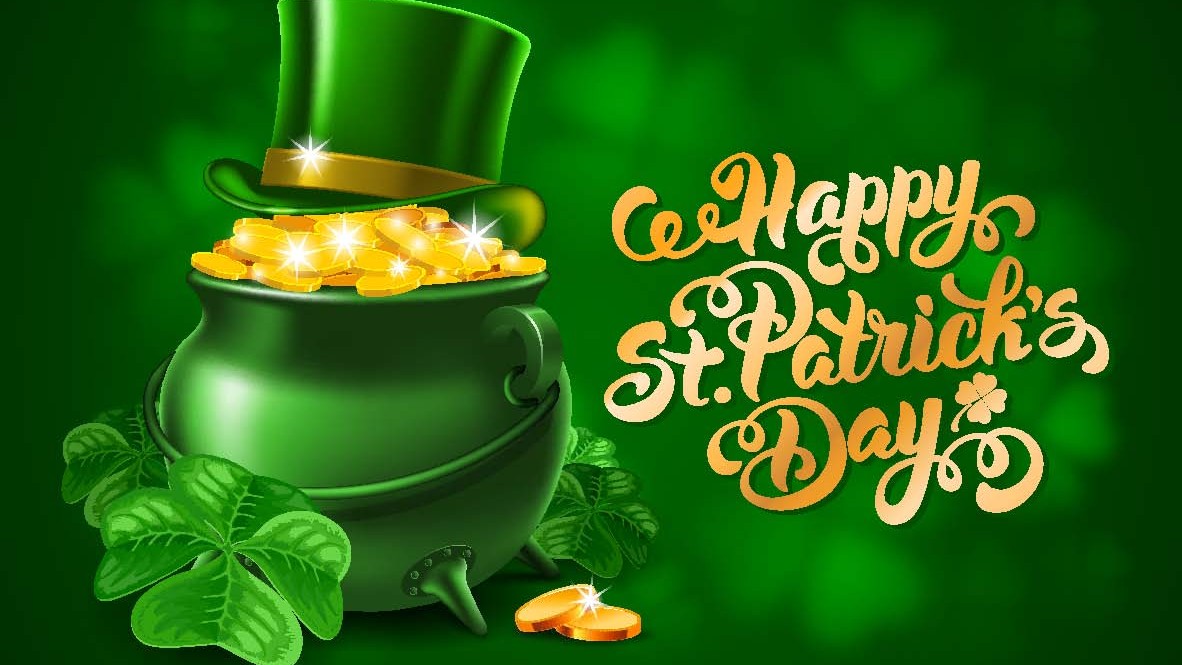
The "Green Man" is a figure with a face made of or covered in leaves and vines, a symbol of rebirth and the cycle of life, death, and rebirth, which aligns with the arrival of spring. He is not traditionally associated with St. Patrick's Day itself, but his symbolic themes of nature and renewal make him a relevant and sometimes visible figure during this time of year, particularly in carvings or in modern pagan celebrations. St. Patrick's Day traditions more commonly involve leprechauns, shamrocks, and the color green, which was adopted to represent Irish nationalism.
St. Patrick's Day
The "Green Man" is a figure with a face made of or covered in leaves and vines, a symbol of rebirth and the cycle of life, death, and rebirth, which aligns with the arrival of spring. He is not traditionally associated with St. Patrick's Day itself, but his symbolic themes of nature and renewal make him a relevant and sometimes visible figure during this time of year, particularly in carvings or in modern pagan celebrations. St. Patrick's Day traditions more commonly involve leprechauns, shamrocks, and the color green, which was adopted to represent Irish nationalism.
Easter
While Christian Easter is based on the resurrection of Jesus, many of its associated traditions have pre-Christian, pagan origins. Over time, these spring customs were absorbed into the Christian holiday as a way to convert pagan populations
Name: Eostre, not Ishtar
The English word "Easter" likely comes from the Anglo-Saxon goddess of spring, Eostre.
- Eostre/Ostara: According to the 8th-century English monk Bede, Anglo-Saxons held feasts in April to honor a goddess named Eostre. Some scholars question Eostre's historical worship, but the linguistic connection to the season of dawn and new light is widely accepted.
- Ishtar connection: A persistent, but erroneous, claim connects the name to the Mesopotamian goddess Ishtar. This theory originated in the 19th-century anti-Catholic tract The Two Babylons and is rejected by historians.
- Pascha: The name "Easter" is a uniquely English and German term. In most other languages, the holiday is called a variant of Pascha, the Greek and Latin word for Passover.
Symbols: Eggs, bunnies, and hot cross buns
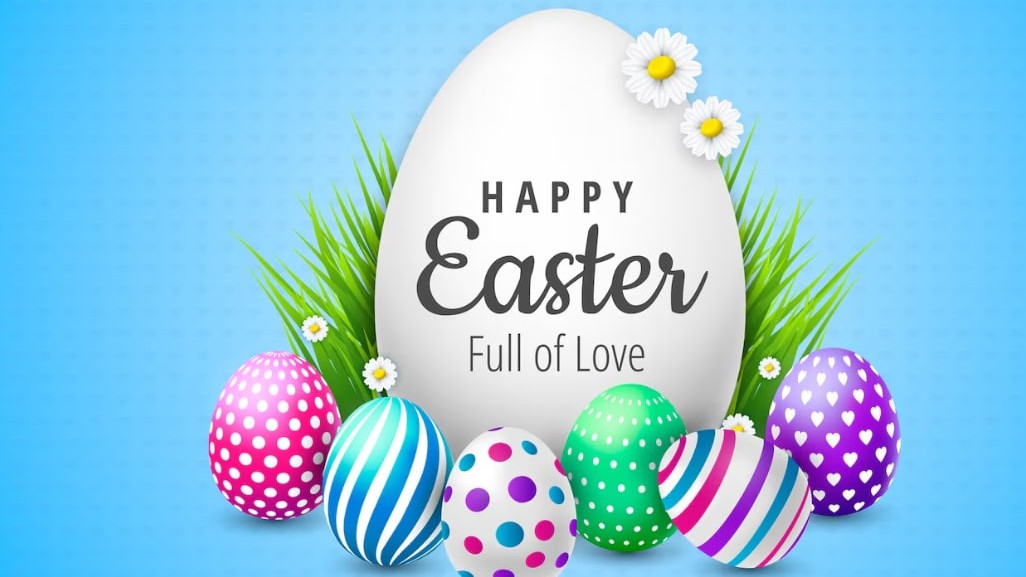
- Eggs: For millennia, eggs have been a universal symbol of new life and rebirth. Christians adopted the egg to represent Jesus's resurrection from the tomb, with the cracked shell symbolizing an empty tomb. Early Christians in Mesopotamia were dyeing eggs red for Easter before the 4th century CE.
- Bunnies: Rabbits and hares have long symbolized fertility due to their reproductive abilities and are associated with spring's renewal in pagan traditions. A German folktale, recorded in the 17th century, first mentioned an "Osterhase" (Easter hare) who delivered colored eggs to good children. German immigrants later brought this tradition to the United States.
- Hot cross buns: The tradition of marking buns with a cross predates Christianity, possibly symbolizing the four quarters of the moon or the four seasons in association with Eostre. Christians reinterpreted the cross on the bun to symbolize the crucifixion.
Timing: Spring equinox
The practice of celebrating Easter in the spring aligns with seasonal pagan festivals that mark the vernal equinox, a time of rebirth and the return of light after winter.
In 325 CE, the Council of Nicaea set the date of Easter as the first Sunday after the first full moon following the vernal equinox. This ensured it would not coincide with the Jewish Passover, which had originally influenced the timing of the Christian observance.

Mother's Day
Modern Mother's Day has roots in ancient pagan traditions, but its history is complex, also including Christian influences and its modern American creation. Celebrations for mother goddesses like Rhea in Greece and Cybele in Rome existed for centuries, and in 17th-century England, a tradition known as "Mothering Sunday" was observed. The current holiday in the United States was established much later by Anna Jarvis.
Mother's Day
Modern Mother's Day has roots in ancient pagan traditions, but its history is complex, also including Christian influences and its modern American creation. Celebrations for mother goddesses like Rhea in Greece and Cybele in Rome existed for centuries, and in 17th-century England, a tradition known as "Mothering Sunday" was observed. The current holiday in the United States was established much later by Anna Jarvis.

Father's Day
The connection between "Father's Day" and the "sky father" is a modern spiritual and mythological association, rather than a historically established origin for the holiday. While the holiday was formalized in the 20th century, the concept of a sky father is a universal mythological archetype found in many ancient cultures.
Father's Day
The connection between "Father's Day" and the "sky father" is a modern spiritual and mythological association, rather than a historically established origin for the holiday. While the holiday was formalized in the 20th century, the concept of a sky father is a universal mythological archetype found in many ancient cultures.

Independence Day
The "Sirius Gateway" is a name given to the period around July 4th when the Sun and the star Sirius align, which is believed to be a time of heightened spiritual energy. During this time, some believe that Earth receives higher frequencies of energy from both the Sun and Sirius, leading to potential spiritual awakenings, enhanced intuition, and creativity. This alignment, which occurs from approximately July 3rd to July 7th, is considered a potent time for spiritual practices like meditation and personal growth.
Independence Day
The "Sirius Gateway" is a name given to the period around July 4th when the Sun and the star Sirius align, which is believed to be a time of heightened spiritual energy. During this time, some believe that Earth receives higher frequencies of energy from both the Sun and Sirius, leading to potential spiritual awakenings, enhanced intuition, and creativity. This alignment, which occurs from approximately July 3rd to July 7th, is considered a potent time for spiritual practices like meditation and personal growth.
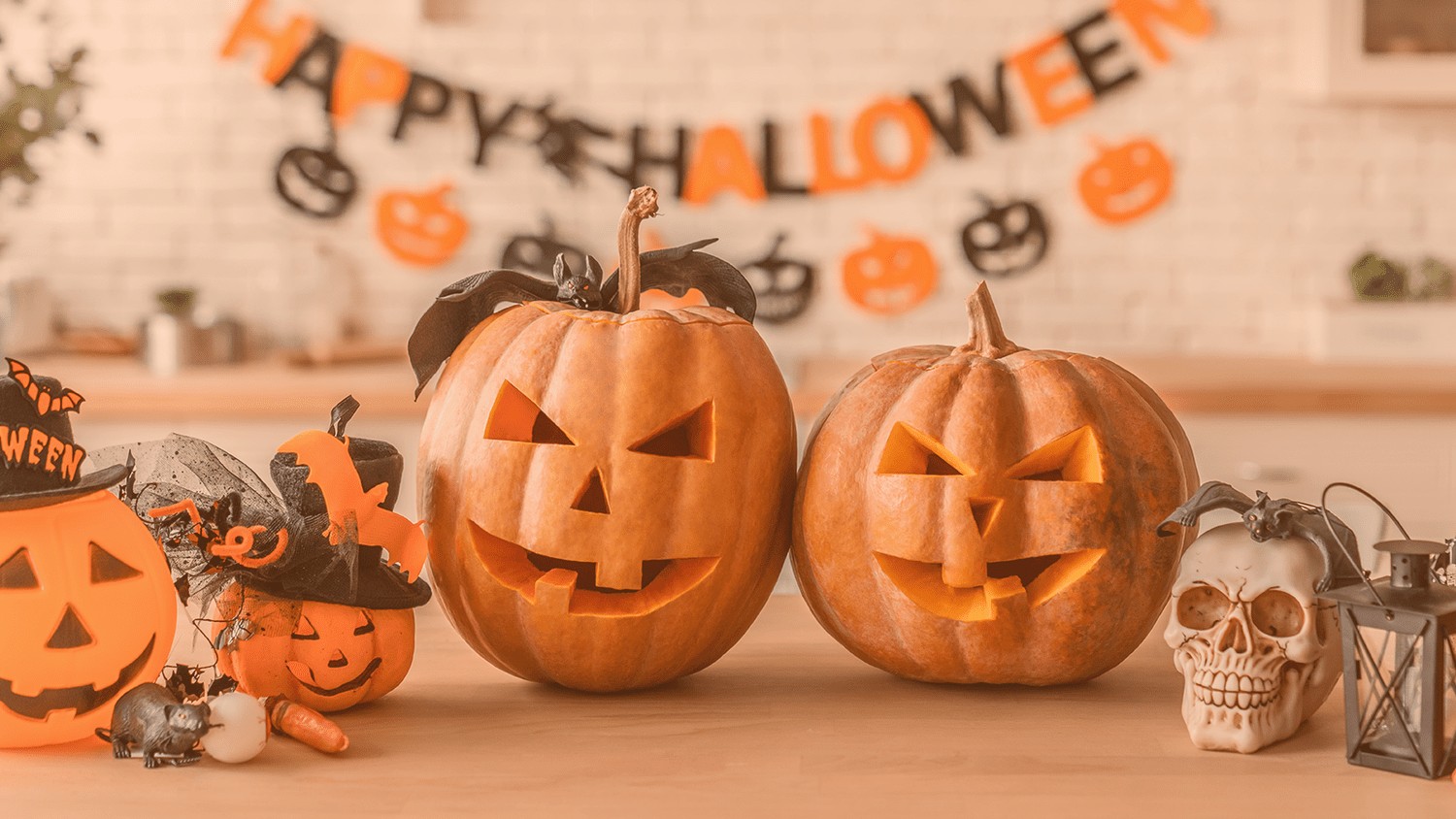
Halloween
Samhain (pronounced "SOW-in") is an ancient Gaelic festival that marks the end of the harvest season and the beginning of winter. Considered the most important of the four Celtic fire festivals, it was observed primarily in Ireland, Scotland, and the Isle of Man. The date of Samhain has deep connections to the origins of modern Halloween.
Key beliefs and practices
The thinning veil: The Celts believed that at Samhain, the boundary between the living world and the spirit world was at its thinnest, allowing spirits to more easily cross over. This was a time when the souls of deceased loved ones were welcomed back to their homes, but malevolent spirits and fairies (the aos sí) were also considered a threat.
Feasts and offerings: Offerings of food and drink were left outside for the spirits to ensure the well-being of the family and livestock through the winter. One tradition was the "dumb supper," a silent meal where an extra place was set at the table for the dead.
Bonfires and ritual: Druid priests lit great communal bonfires, and families would put out their own hearth fires beforehand. After the harvest was complete and cattle were sacrificed, families would take a flame from the sacred bonfire to relight their own hearths, which was thought to offer protection.
Costumes and guising: To avoid being kidnapped by fairies or harmed by malicious spirits, people would wear costumes made of animal heads and skins. This practice evolved into "guising," where people went door-to-door in costume to receive food and drink in exchange for verses or songs.
Connection to Halloween
- As Christianity spread through Celtic lands, the church sought to replace the pagan festival of Samhain with its own holidays.
- In the 9th century, Pope Gregory III designated November 1 as All Saints' Day (or All Hallows'), a day to honor saints and martyrs.
- November 2 was later designated as All Souls' Day.
- The evening before All Saints' Day, October 31, became known as All Hallows' Eve, and eventually, Halloween.
- Many of the traditions associated with Samhain persisted and were absorbed into the Christian holidays, and later into modern Halloween festivities.
- Trick-or-treating is thought to derive from the Samhain practice of guising and receiving food.
- Carving jack-o'-lanterns comes from the custom of carving turnips with grotesque faces to ward off evil spirits. Irish immigrants later adapted this tradition to use pumpkins in America.

Christmas
Tammuz's birthday is associated with the winter solstice, around December 25th, as part of ancient pagan celebrations like Saturnalia and Sol Invictus. He was a Babylonian god of fertility and renewal, with the celebration being for his rebirth, the birth of the "unconquerable sun".
Pagan celebration (around December 25th)
Mythology: Tammuz was the son of the Babylonian sun god Nimrod and the moon goddess Semiramis.
Date: His birthday was celebrated around the winter solstice, which is the shortest day of the year, after which the days begin to lengthen again.
Significance: This date was originally the birthday of various pagan sun gods, such as Sol Invictus, a celebration that was later associated with the birth of Jesus on December 25th.